
Cartier is a Paris jewelry house that became one of the biggest watch brands in the world almost by accident. Founded in 1847, split between three brothers who each took a financial capital, reunited under investors in the seventies, now the crown jewel of Richemont. The watches, the Santos and the Tank especially, are some of the most enduring designs ever made. But the brand story is bigger than any single watch.
The three brothers
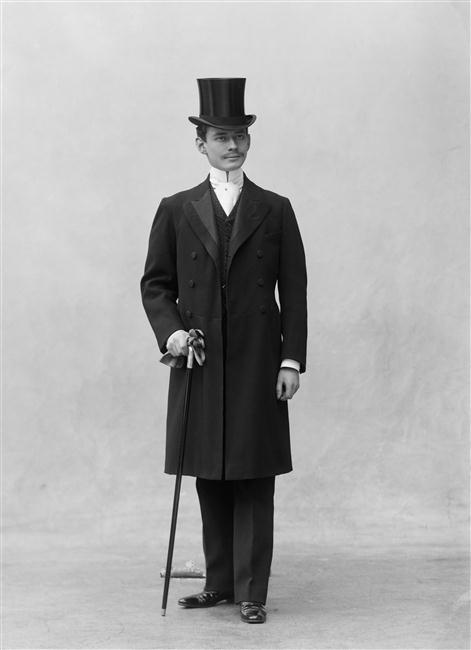
Louis-François Cartier opened a jewelry shop in Paris in 1847. His son Alfred took over in 1874 and built it into one of France’s leading jewelry houses. Then Alfred’s three sons did something smart: they divided the world.
Louis, the eldest, stayed in Paris and ran the flagship. He developed the Cartier aesthetic, pushed into Russia through the imperial court, and designed the watches. Pierre went to New York in 1909 to sell to America’s newly rich. He pulled off legendary deals: sold the Hope Diamond, and traded a million-dollar pearl necklace for a Fifth Avenue mansion that is still Cartier’s New York flagship. Jacques took London, after first traveling to India to build relationships with maharajas whose wealth was hard to comprehend.
By the early 1900s, Cartier was selling to every royal court in Europe. Kings, tsars, maharajas. The jewelry operation was the main business. Watches were a sideline that Louis ran out of Paris.
The watches
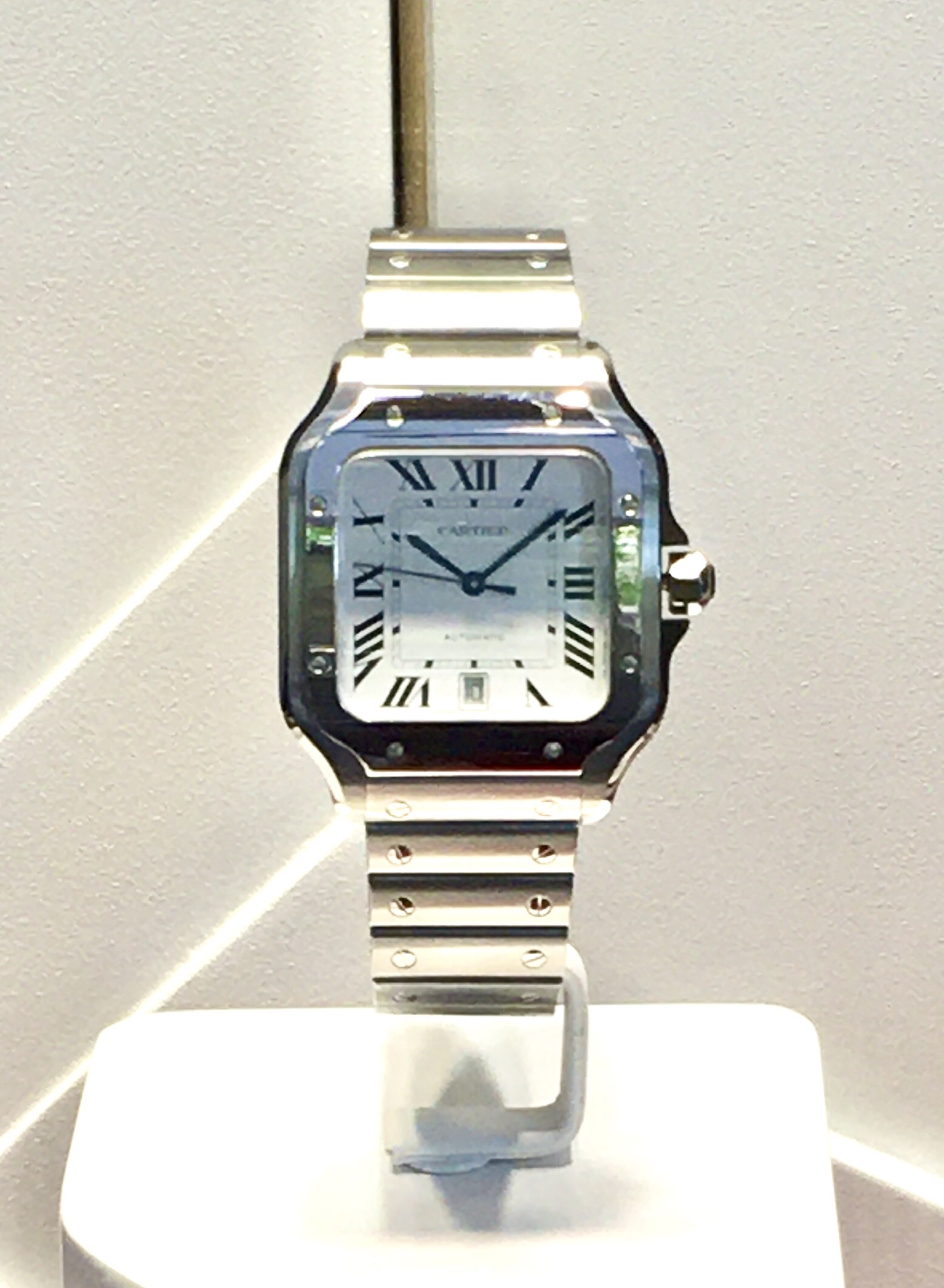
Louis Cartier made the Santos in 1904 for his friend Alberto Santos-Dumont, the Brazilian aviator. One of the first watches built for the wrist instead of adapted from a pocket watch. Then came the Tank in 1917, rectangular and restrained, allegedly inspired by WWI Renault tanks. Both designs are still in production, still recognizable, still copied. Louis understood proportion the way his brothers understood rich people.
For most of Cartier’s history, the watches used bought-in movements. Cartier cared about the outside: the case, the dial, the design. The inside was someone else’s problem. That only changed in the 2000s, when they started building their own calibers like the 1904 MC.
The fall and the reunion
Louis and Jacques died in 1942, months apart. Pierre kept the business going alone until his death in 1964. Then the family sold. Paris, London, and New York went their separate ways under different owners.
In 1972, a group of investors led by Joseph Kanoui and Robert Hocq bought Cartier Paris. They picked up London in 1974 and New York in 1976, reuniting the three branches for the first time in a decade. Hocq and Alain Dominique Perrin launched ‘Les Must de Cartier’ in 1976, a lower-priced line meant to make the brand accessible without cheapening it. It worked. In 1979 everything was folded into Cartier Monde, a single company again.
Cartier joined the Richemont group when it formed in 1988. Today it is Richemont’s largest brand by far, selling jewelry, watches, leather goods, and eyewear out of boutiques worldwide. The family has been gone for sixty years.
The watches today
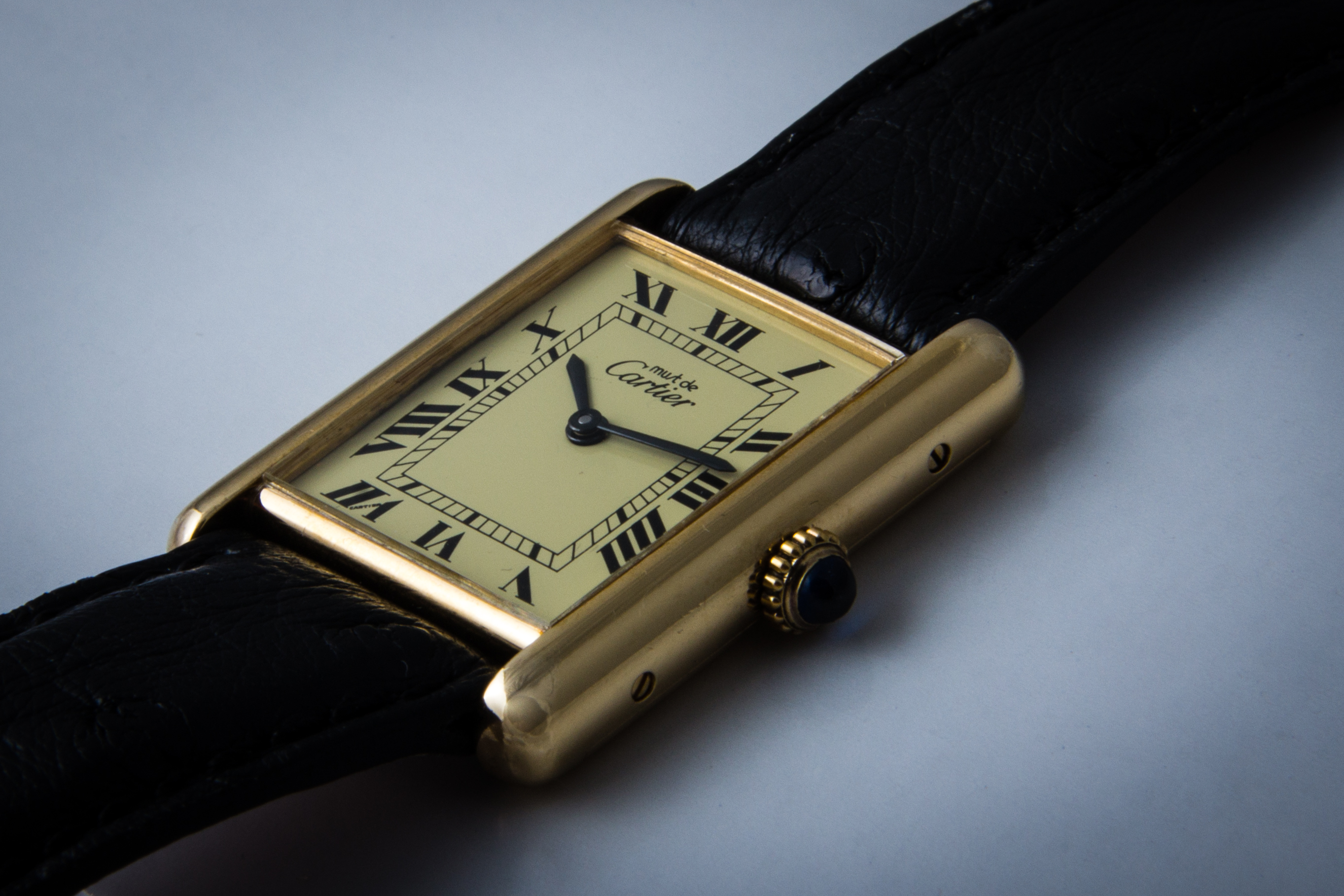
The Tank remains the icon, remixed endlessly: Tank Louis, Tank Américaine, Tank Française, Tank Must. The Santos is the sporty one, square with exposed screws, now with a strap system that works. The Ballon Bleu, launched in 2007, became a massive seller with its pebble case and hidden crown. The Pasha, Gérald Genta’s 1985 design, still appears. The Crash, a warped oddity from 1967 London, gets reissued occasionally and sells out instantly.
Why it matters
Cartier proved that a jewelry house could become a watch brand without losing its identity. The design language, Roman numerals, railroad tracks, cabochon crowns, translates across a century because Louis Cartier got it right the first time.
It also proved that luxury is a story business. Three brothers, three cities, kings and maharajas and a Fifth Avenue mansion traded for pearls. That narrative did as much work as any watch. The modern company still runs on it, sixty years after the family left. Stories outlast their tellers.
Official site: cartier.com
Thanks for reading this.

