
Rose gold is 18k gold with extra copper in the alloy, which is what turns it pink. The more copper, the redder the result: the range runs from a soft pink often called pink gold to a deep red sometimes called red gold. It is sometimes called “Russian gold,” a nod to its popularity in nineteenth-century Russia, where the warm reddish metal suited local tastes. In watches, it spent most of the twentieth century as a niche choice, then rode one of the biggest fashion waves the industry has seen.

Rose gold Rolex models. The pink tone photographs warmly and wears more quietly than yellow gold. Photo: Wikimedia Commons, CC BY-SA 4.0
The fading problem, and the proprietary fixes
Ordinary rose gold has a real weakness: the copper in the alloy can oxidize or migrate with exposure to the elements (salt water, chlorine, and UV get the blame in most accounts), and the pink color can fade or drift over the years. Two brands engineered their way around it, and both solutions are genuinely proprietary.
Rolex Everose, introduced in 2005, adds a small amount of platinum to the gold-copper alloy. Rolex says the platinum locks the copper in place and the color stays put; the alloy is cast in Rolex’s own foundry, and it is reported to have debuted on the Daytona. Omega Sedna gold, introduced in 2013, takes a different route: palladium instead of platinum, developed in-house and patented by the Swatch Group. Omega named it for Sedna, the reddish planetoid orbiting beyond Neptune. Both are 18k, both solve the same problem, and both are real metallurgy rather than marketing names for standard rose gold. Whether the fading problem was ever as bad as the marketing implies is a fair question; either way, the fix is documented.
The 2010s wave
Rose gold owned the 2010s. It was the default precious metal for a generation of new luxury buyers: warmer than yellow gold, less stark than white metals, and photogenic in the new era of watch photography on social media. Brands poured it into everything from dress watches to sports models. As with every metal fashion cycle, the wave has cooled. Rose gold is no longer the automatic choice, and some of the most hyped rose gold sports watches of the mid-2010s now trade like what they are: nice watches from a specific era. The metal itself did nothing wrong. It is still the best-looking gold for many skin tones and many dial colors, and the proprietary alloys mean a modern rose gold watch will keep its color in a way a vintage one might not have.

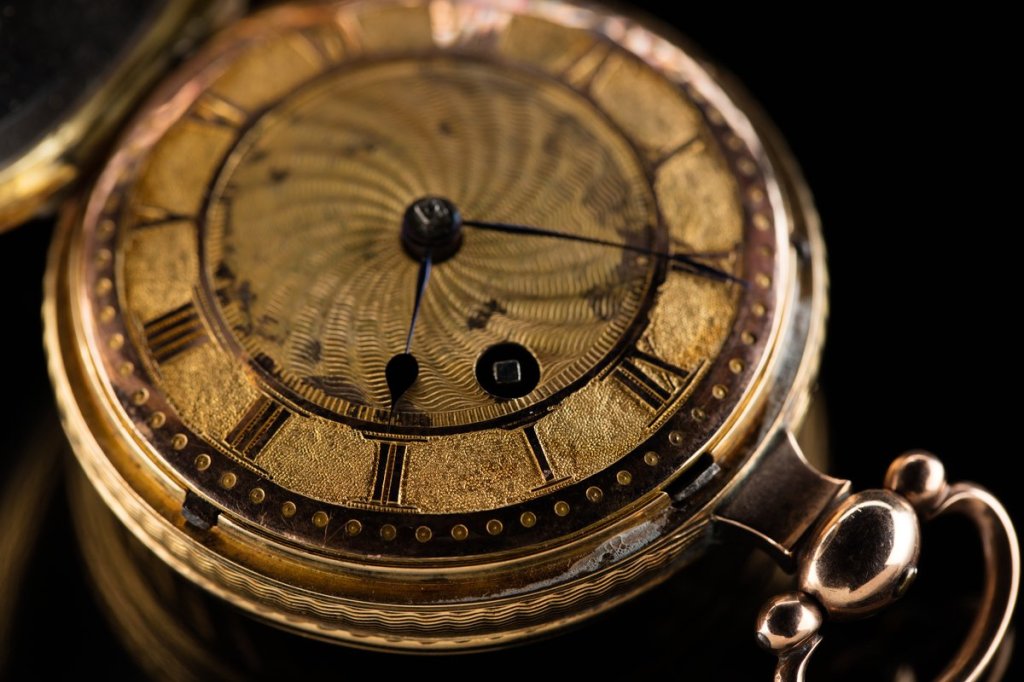
A red gold dress watch: the deeper, copper-heavy end of the rose gold range. Photo: Wikimedia Commons, Attribution license
Tradeoffs
All the standard gold tradeoffs apply: soft metal, visible scratches, heavy on the wrist, expensive to service. Rose gold adds one of its own: the color varies noticeably between brands and even between batches, because the exact copper content is a choice, not a standard. Everose reads as a restrained pink; Sedna runs warmer and redder; some independent brands go nearly copper. Buyers who care should compare in person rather than trusting photographs, and should know that a “rose gold” watch from one brand may not match a “rose gold” buckle or bracelet from another.
Keep digging
For the full picture, see Gold, and for the other colors, Yellow gold and White gold. For the brands behind the proprietary alloys, see the brand directory.
Why it matters
Rose gold is the friendliest of the gold colors: warm, flattering, and less loud than yellow gold. Its one real technical problem, color fading, has been solved by the two proprietary alloys that define the modern market. Buy it for the color, compare the actual shade before committing, and ignore the fashion cycle; the metal will outlast it.
Thanks for reading this.

