
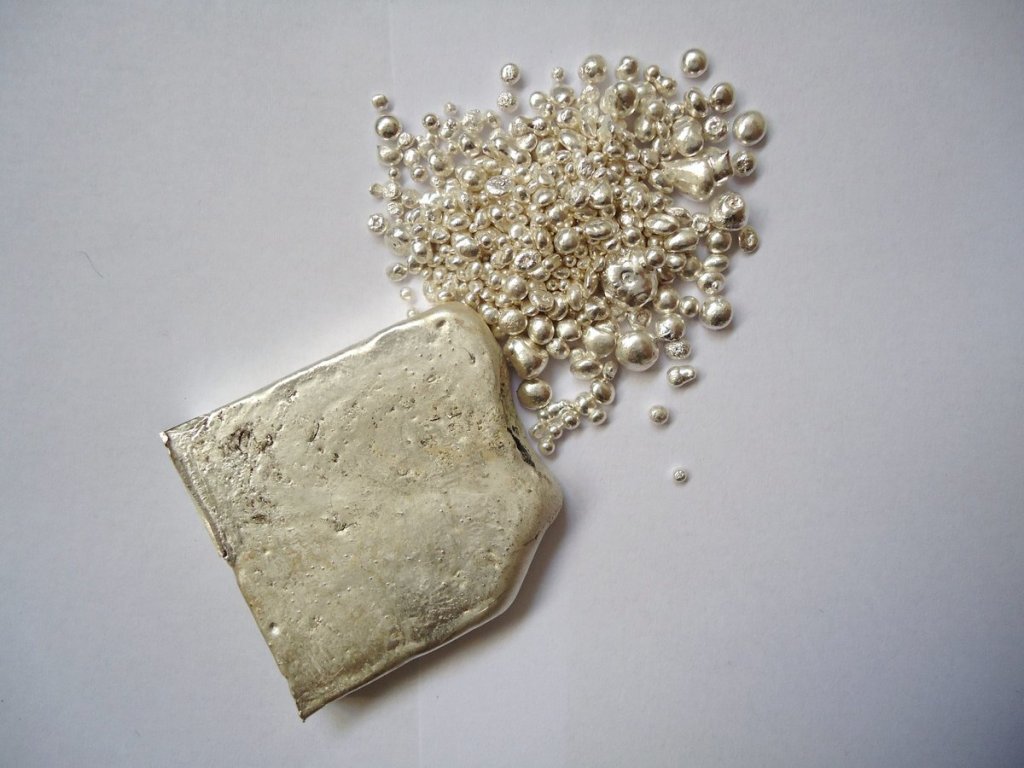
Before stainless steel, the default watch case metal was silver. Not gold: silver. Pocket watches by the million, and the first generations of wristwatches, were cased in it. Sterling silver is 92.5 percent silver with the remaining 7.5 percent usually copper, which is added because pure silver is too soft to hold its shape as a case. American makers often used “coin silver,” roughly 90 percent silver, for the same job. Then steel arrived, and silver essentially vanished from watchmaking. This is the honest story of a metal the industry left behind, and why it never came back.
The silver era
Through the nineteenth century and into the early twentieth, silver was the sensible, middle-class case metal. Gold was for the wealthy; silver was for everyone else. It was easy to work, took a beautiful polish, and was cheap enough for mass production. The great American pocket watch companies, Waltham, Elgin, Hamilton, cased countless watches in coin silver and sterling. The hunter-case pocket watch in the photo below, a Waltham from around 1879 with a coin silver case, is exactly the kind of object that made silver the standard: well-made, affordable, and built to be carried every day.
.jpg)
A Waltham pocket watch, circa 1879, with a coin silver hunter case. For decades, this was the standard respectable watch. Photo: Wikimedia Commons, CC BY-SA 2.0.
Silver carried into the wristwatch era too. Early wristwatches, including the trench watches of the First World War, were frequently silver-cased. As late as the interwar years, silver was still a normal choice for a good watch. It felt like it would last forever. It did not.
Why it vanished
Three problems, all fatal in combination. First, silver tarnishes. Silver reacts with sulfur compounds in the air to form silver sulfide, a black layer that dulls and darkens the case. This is not damage in the structural sense; the metal underneath is fine. But a watch that turns black in the drawer needs regular polishing, and polishing removes metal. Second, silver is soft. It dents and scratches more easily than steel, and a daily-worn watch lives a rough life against desks, doorframes, and seatbelts. Third, and decisively, stainless steel arrived and did everything better for less money: harder, corrosion-proof, no tarnish, cheaper to produce at scale.
The timing mattered. The wristwatch era demanded water resistance, shock resistance, and mass production, and steel delivered all three. By the middle of the twentieth century, silver cases were an anachronism. The industry did not debate this; it simply stopped ordering silver.

A WWI-era trench watch. Many early wristwatches were silver-cased, right up until steel took over. Photo: Wikimedia Commons, CC BY 3.0 de.
Where it survives
Almost nowhere. A few limited editions over the years have used silver cases as a historical nod, and a small number of independent makers have tried it, usually framing the tarnish as patina. It never catches on, for the same reasons it died: the tarnish that looks romantic on a hundred-year-old pocket watch looks like neglect on a new watch, and buyers will not pay luxury prices for a metal that needs constant polishing. Silver’s watchmaking career is over, and the industry is at peace with that.
Keep digging
Brass: the other historical case metal that lost to steel. Bronze: the copper alloy that did manage a comeback, and why. Watches 101, Lesson 5: The Outside: how case materials evolved.
Why it matters
Silver is the control case for every “heritage metal” revival. Bronze came back because its aging looks like character; silver stays gone because its aging looks like a chore. When a brand pitches you a historical metal, silver’s story is the question to ask: does this metal age into something you want to look at, or something you want to polish? The industry answered that question for silver about eighty years ago, and the answer has held.
Thanks for reading this.

