
Somewhere in the world there is a factory that makes finished watches to order, and dozens of brand names you have never heard of sell those watches as their own. That is private label manufacturing, and it accounts for a large share of the watches sold on the internet, in catalogs, and at mall kiosks. It is neither a scam nor a mark of quality. It is a production arrangement.
Private label vs white label
The terms come from retail generally, and they describe two different deals with a manufacturer:
Private label means the product is made to one brand’s specifications and sold only under that brand’s name. The buyer chooses the design, the materials, and the components; the factory builds it. Think of a supermarket’s own-brand cereal, except the cereal is a watch.
White label means the product already exists. The factory makes a standard, generic item, and any number of buyers can put their own name on it and sell it. The core product is identical; only the branding changes.
In watches the two blur, because most private-label watch programs start from a factory’s existing catalog of cases, dials, and hands, with the buyer picking options and adding a logo. Pure white-label watches (the exact same watch sold under five names) exist, but most private-label watches sit somewhere between “catalog case, custom dial” and “fully bespoke design.”
How it works in watches
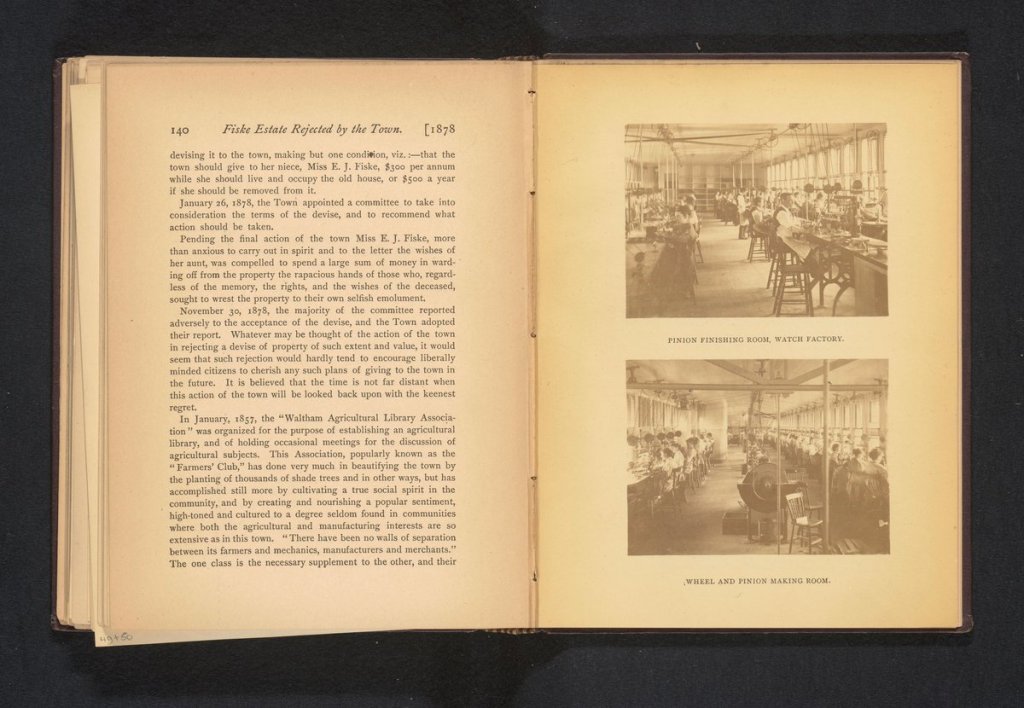
The basic transaction goes like this. A factory, usually in China (Shenzhen and Guangzhou are major Chinese hubs for OEM, ODM, and private-label watch production) or Switzerland, offers a catalog of cases, dials, hands, straps, and movements. A brand picks a combination, supplies its logo and dial design, and places a minimum order, often in the hundreds of units. The factory assembles the watches, prints the brand name on the dial, boxes them, and ships them. The brand handles marketing, sales, and warranty.
This is also how many small legitimate brands get started. As one industry writer puts it, microbrands generally do not own their means of production: they design, send drawings to manufacturing partners, receive finished or semi-finished watches, check them, and ship them. The difference between a respected microbrand and a forgettable private-label brand is usually design effort and quality control, not the business model.

A display case of wristwatches. Somewhere behind rows like these, private-label factories supply dozens of brand names at once. Photo: Wikimedia Commons, CC BY-SA 4.0.
Private label is not only a cheap-watch phenomenon. Vaucher Manufacture Fleurier, the high-end movement maker in the Parmigiani orbit, created VMF Private Label in 2013 as a coordinated offering from Vaucher, Atokalpa, Elwin, Quadrance et Habillage, and Les Artisans Boîtiers: the first three handle mechanisms, the last two handle casing. The idea is the same as the Shenzhen version, just at the opposite end of the market: a small brand rents world-class manufacturing instead of building it.
Private label is not the same as a fashion watch
A fashion watch is a brand strategy: a clothing or lifestyle company licenses its name to watches, or extends its own brand onto them. A private label watch is a production arrangement: a factory builds watches for someone else’s brand. These are independent concepts, and they often get confused because they overlap so often.
Most fashion watches are private label underneath, because the fashion company has no watch factory. But a private label watch is not automatically a fashion watch. The Vaucher program above produces private-label watches for serious watch brands. And a fashion watch is not automatically junk: the quality depends on what movement the licensee specified, what the water resistance actually is, and whether anyone checked the work. Judge the watch, not the category.

A simple quartz watch. The quartz module inside watches like this is the archetypal private-label component: bought in bulk, built to a price. Photo: Wikimedia Commons, CC BY-SA 4.0.
Quality comes from the spec, not the badge
The same factory can make an excellent watch and a terrible one in the same week. The difference is the specification the buyer paid for: which movement, which case finishing, what water resistance testing, what quality control sampling. A private-label watch with a named Miyota or Ronda movement, honest water resistance, and a brand that answers warranty emails can be a perfectly good watch. A private-label watch with an unnamed movement, fantasy depth ratings, and no one behind it is a gamble.
The honest assessment, without snobbery: a good cheap private-label watch is simply good. Nobody at the factory knows or cares what the dial says. What matters is what the brand asked the factory to build, and whether the brand checked that it got built that way.
Keep digging
Private label is outsourcing taken to its logical end; Outsourcing covers the supplier ecosystem piece by piece. The movement side of the story is Ébauches. For what goes inside these watches, see Movements, and the Reference index has the full directory.
Why it matters
Half the watches on the internet are private label, and most buyers will never know. Knowing how the system works lets you judge the watch in front of you instead of the story on the website.
Thanks for reading this.

