
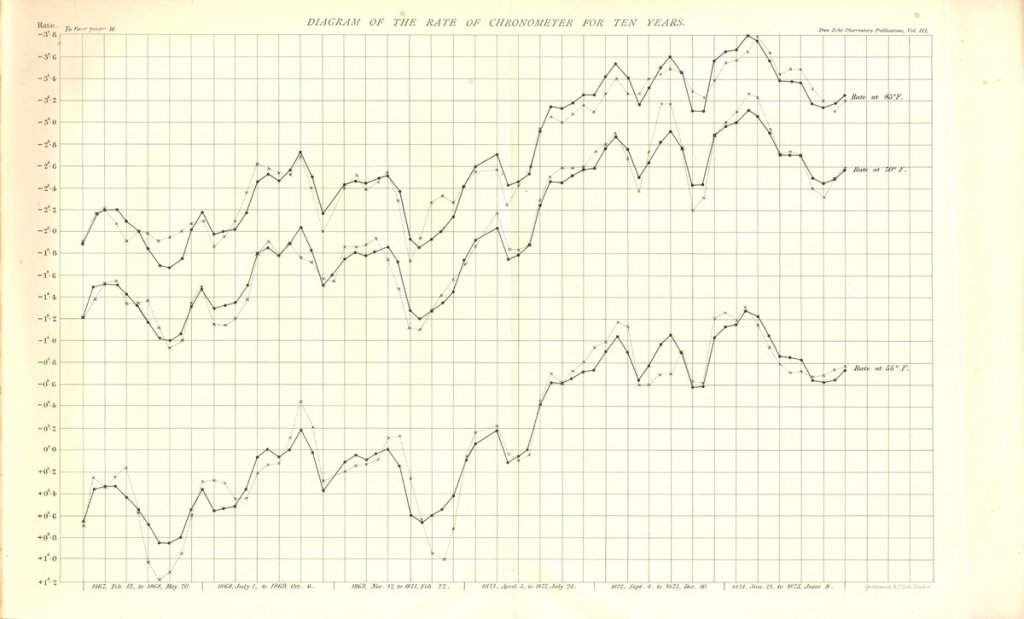
A finished watch has to survive water, magnetism, shocks, and the slow drift of its own timekeeping, and the industry has built a whole apparatus for proving it does. Chronometer certificates, in-house testing regimes, and water resistance ratings are all answers to the same question: how do you know this watch does what the dial claims. The useful skill is reading each test for what it actually measures, because every one of them has edges it does not cover.
Water resistance: how it is actually tested
Water resistance is tested with pressure, not with swimming pools. The standard method is to expose the watch to air pressure above atmospheric, then immerse it in water and look for leaks, often with condensation checks on a cold plate afterward. Rolex describes testing each watch twice, first with excess internal air pressure and then by immersion in a hyperbaric tank, and says watches rated to 100 meters are tested at 10 percent above their rated pressure while divers’ watches get a 25 percent margin (brand claim, published by Rolex). Omega’s METAS process re-verifies water resistance on the finished, cased watch as one of its certification steps, which matters because a movement can pass every timing test and still leak if the case was not sealed properly after assembly.
Two things the rating does not tell you. First, the number is a static pressure rating: 30 meters means the watch withstood the pressure equivalent of 30 meters of still water in a lab, not that it can be worn swimming. Second, water resistance is not permanent. Gaskets age, crowns get opened, cases get knocked. A five-year-old watch with a 200-meter rating and original gaskets is a watch whose rating is a memory. Testing proves the watch left the factory sealed. It says nothing about next summer.
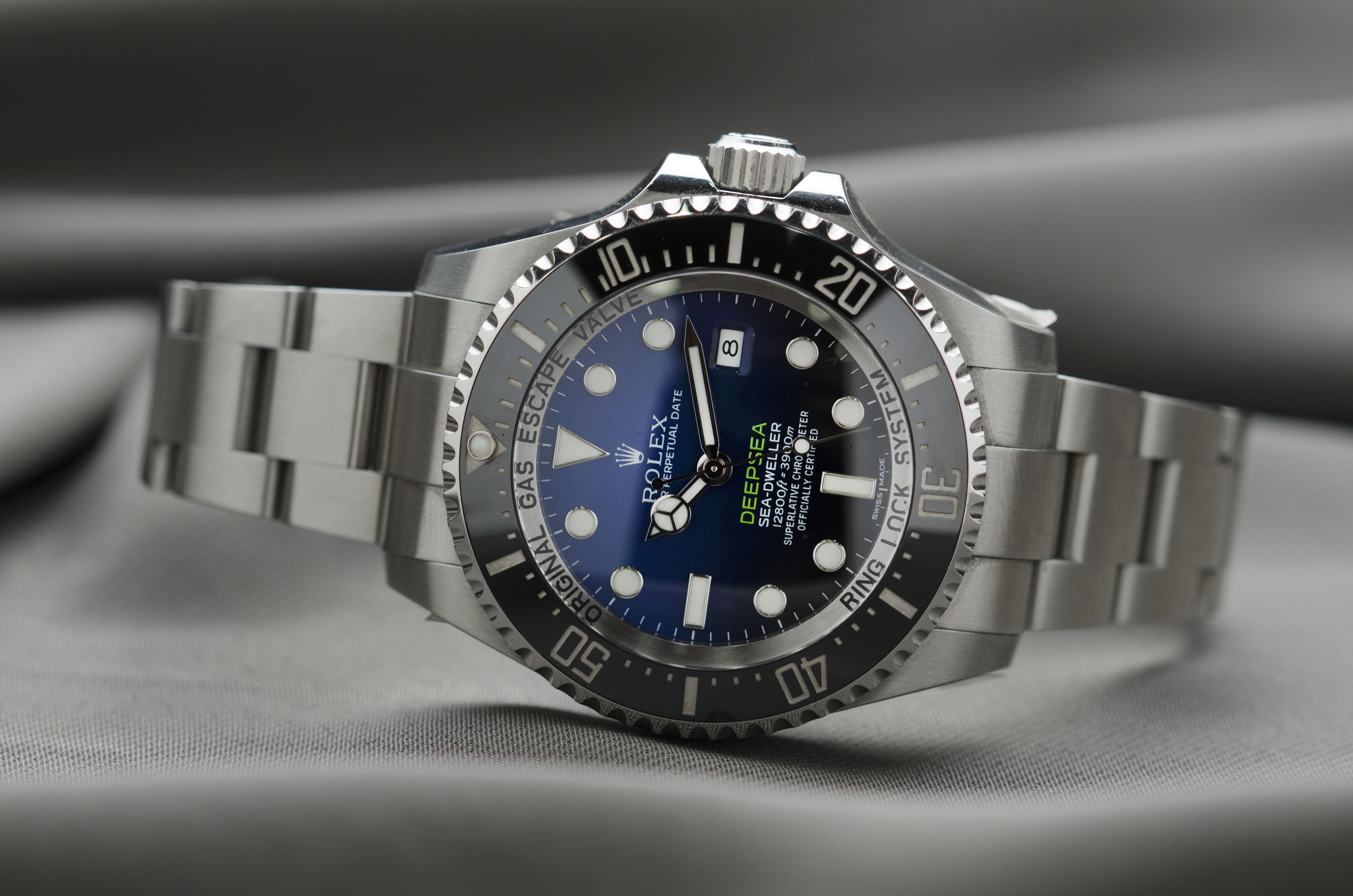
A professional dive watch built for the pressure tests described here. The Deepsea is rated to 3,900 meters; Rolex says divers’ watches are tested with a 25 percent safety margin above their rating. Photo: Wikimedia Commons, CC0 1.0 (public domain).
COSC: the baseline, and its limits
COSC, the Contrôle Officiel Suisse des Chronomètres, is the independent Swiss institute that certifies chronometers to the ISO 3159 standard. Founded in its current form in 1973 and headquartered in La Chaux-de-Fonds, with laboratories in Saint-Imier, Le Locle, and Bienne, it certifies roughly 2.4 million movements annually at recent volumes (2.4 million in 2024).
Here is what the test actually is. The movement is submitted uncased, stripped of its automatic winding works, with a temporary seconds hand fitted. Over 15 days it is tested in five positions and at three temperatures (8, 23, and 38 degrees Celsius), and the results are graded against seven criteria covering average daily rate, rate variation, positional differences, temperature influence, and rate resumption. The headline number: the average daily rate must fall between -4 and +6 seconds per day. Quartz movements get a separate 13-day protocol with a far tighter bar of plus or minus 0.07 seconds per day.
Now the limits, which marketing copy tends to skip. COSC tests the movement, not the watch. Casing a movement can shift its rate by several seconds a day. The case, the dial, the hands, the crown tube, and the bracelet all change how the finished watch behaves, and none of them are in the COSC lab. So a COSC certificate proves the movement was accurate on a test bench. It does not prove the finished watch is accurate on a wrist, and it says nothing about magnetism, water, shocks, or how the watch performs six months later. Roughly 3 percent of Swiss mechanical movements carry the certification (industry reporting), which makes it a genuine filter, but it is a filter on one property: rate, in a lab, before casing.

The thing COSC actually tests: an uncased movement, measured in five positions and three temperatures over 15 days. The case, dial, and hands come later, and they can change the rate. Photo: Wikimedia Commons, CC BY-SA 3.0.
Rolex’s Superlative Chronometer: testing after casing
Rolex’s answer to the casing gap is to test twice. Every movement first goes through COSC like anyone else’s. Then, after the movement is cased, Rolex runs its own in-house protocol on the complete watch: precision is tested over a 24-hour cycle in seven static positions plus a rotating rack, using what the company describes as a methodology simulating real-life wear. The published tolerance is -2 to +2 seconds per day after casing, against COSC’s -4 to +6 for the movement alone. The same protocol covers waterproofness (the 10 and 25 percent margins mentioned above), the efficiency of the self-winding system, and the power reserve reaching its stated figure. Watches that pass get the green seal and the “Superlative Chronometer Officially Certified” line on the dial. Rolex’s 2026 materials add magnetism resistance, reliability, and sustainability to the certification criteria.
Read it for what it is: a manufacturer testing its own product to its own standard. The numbers are tighter than COSC and the test happens after casing, which is the right place to test a finished watch. But it is still the manufacturer’s own claim about its own process, verified by nobody independent. That does not make it false; it makes it a brand promise rather than a third-party certificate, and those are different kinds of evidence.
METAS Master Chronometer: the independent second opinion
Omega’s answer was to bring in an outside authority. Developed with METAS, the Swiss Federal Institute of Metrology, the Master Chronometer certification starts where COSC ends: the watch must already be COSC-certified, and then the finished, cased watch goes through eight tests over ten days at Omega’s facilities, with METAS personnel supervising.
The headline test is magnetism. The watch is exposed to a 15,000 gauss field (1.5 tesla, about 250 times the 60-gauss baseline of the old ISO 764 antimagnetic standard, 4,800 A/m) and must keep functioning during exposure, then hold 0 to +5 seconds per day afterward. The remaining tests cover average daily precision in six positions at two temperatures (23 and 33 degrees, approximating wrist temperature), precision at reduced power reserve, power reserve itself, and water resistance. The accuracy bar for the finished watch is 0 to +5 seconds per day, tighter than COSC and deliberately biased against losing time.
What this proves is narrower than it sounds and more useful than it sounds. It proves the finished watch, as assembled, resists everyday magnetic fields (laptops, phone cases, bag clasps, and far beyond) and keeps strong time across positions and temperatures. Tudor now uses the same certification for much of its lineup, with the stated intention that all new Tudor watches eventually receive it (per Tudor’s own materials), which suggests the standard is becoming an industry option rather than an Omega exclusive. What it does not prove: shock resistance, long-term rate stability, or durability over years of wear. It is a snapshot of a new watch, and a thorough one.
The other regimes, briefly
Several houses run their own versions of the same idea. Jaeger-LeCoultre’s 1000 Hours Control tests each cased watch for roughly six weeks, cycling it through wear simulation, temperature swings, and water resistance checks, then stamps the caseback; the brand does not publish its rate tolerances (reported by trade press). Patek Philippe walked away from the Geneva Seal in 2009 and created its own Patek Philippe Seal, with a current published tolerance of −1/+2 seconds per day for the completed watch (older −3/+2 figures date from an earlier version of the Seal), tested from uncased movement through finished watch with kinetic simulators over up to 30 days. The Qualité Fleurier certification layers COSC, durability testing, and a 24-hour wear simulator called the Fleuritest on top of a finished-watch quality review. Grand Seiko runs its own in-house standard that is generally understood to be stricter than COSC (collector consensus). Each of these is a real testing program and each is, by construction, the manufacturer grading its own homework.
What no test proves
Every certification on this page is a snapshot of a new watch. None of them proves how the watch keeps time after five years of wear, after a hard knock, after the lubricants age, or after a service by someone other than the manufacturer. Rate is also personal: the same watch keeps slightly different time on different wrists, because wear patterns, resting position overnight, and temperature exposure differ. The honest way to read any certificate is as a floor, not a promise. It tells you the watch was capable of this performance when it was new and properly regulated. Everything after that is maintenance.
Keep digging
Testing validates the finished watch; Quality Control is the system of checks that gets it to the testing stage in one piece. Vertical Integration explains which brands control the whole chain being tested. For the pressure ratings in detail, see Water Resistance, and for the movements under all this scrutiny, see Movements.
Why it matters
Tests and certificates are the only objective evidence in an industry built on subjective claims, which makes them worth understanding precisely. The difference between COSC and METAS, or between a brand’s in-house standard and an independent one, is the difference between knowing what was actually measured and taking a dial inscription on faith. Read the test, not the marketing, and you will know what the watch proved and what it merely promised.
Thanks for reading this.

